
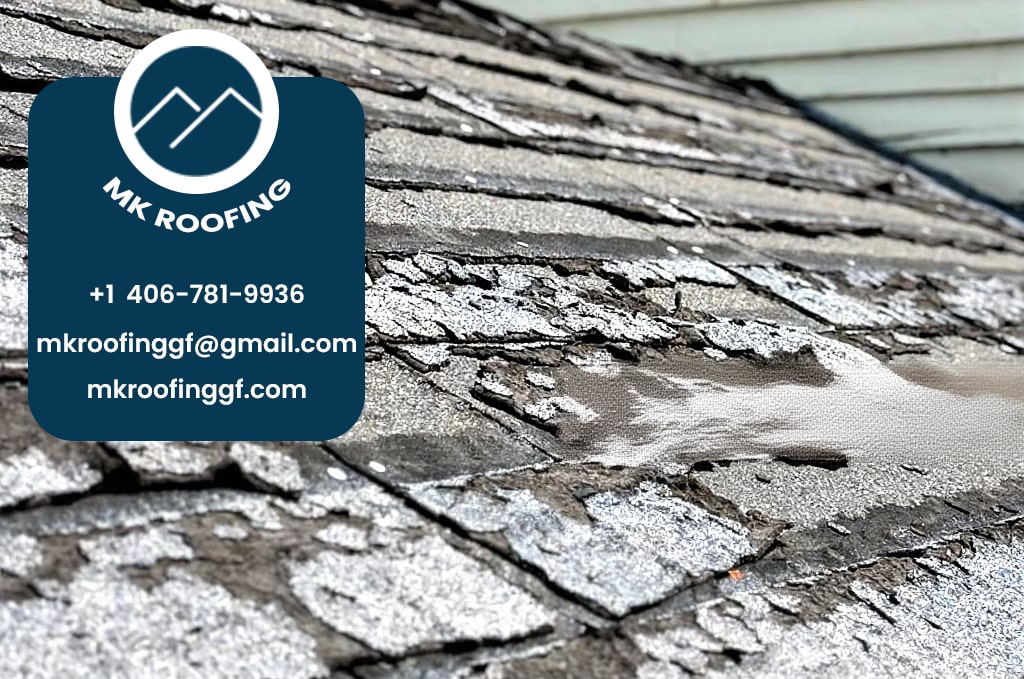
Understanding what does hail damage looks like on a roof is not always straightforward. In many cases, hail damage does not cause immediate leaks or obvious structural failure. Instead, it weakens roofing materials in subtle ways that become more serious over time. Homeowners often assume their roof is fine after a storm, only to discover problems months later.
After severe hailstorms, many Montana homeowners look to experienced local contractors like MK Roofing to help determine whether their roof has been affected. This is because hail damage can vary widely depending on the roofing material, storm intensity, and roof condition.
This guide explains what hail damage looks like on different roof types, how to recognize both visible and hidden signs, and why early identification matters.
How Hail Affects a Roofing System
Hailstones strike roofing materials with concentrated impact. Even smaller hail can damage protective layers designed to shed water, while larger hailstones can cause fractures, displacement, or punctures.
What hail damage looks like on a roof depends on:
- Hail size and density
- Wind direction during the storm
- Roof slope and orientation
- Roofing material type
- Age and existing wear of the roof
Because of these factors, hail damage can appear differently from one roof to another, even within the same neighborhood.
What Hail Damage Looks Like on Asphalt Shingle Roofs
Asphalt shingles are one of the most common residential roofing materials and are especially susceptible to hail impact.
Common Signs on Shingle Roofs
- Dark, circular impact marks where granules have been dislodged
- Shiny or bare spots exposing the asphalt layer beneath
- Soft or spongy areas caused by bruising under the surface
- Random cracking patterns instead of uniform aging
- Granules collecting in gutters or at downspout exits
In many cases, these signs are difficult to see from the ground, which is why homeowners often rely on a professional roof inspection to confirm whether hail damage is present.
Why Shingle Bruising Is Important
When hail strikes a shingle, it can damage the fiberglass mat beneath the surface without breaking the shingle outright. This bruising weakens the shingle’s structure and reduces its ability to protect against moisture.
Over time, bruised shingles are more likely to:
- Absorb water
- Crack during temperature changes
- Deteriorate faster under UV exposure
- Fail during future storms
This delayed deterioration is one reason hail damage often goes unnoticed until problems worsen.
What Hail Damage Looks Like on Metal Roofs
Metal roofing systems typically show hail damage more clearly, but not all damage is immediately harmful.
Typical Signs on Metal Roofs
- Dents or dimples in panels
- Creases along seams or ribs
- Chipped or cracked protective coatings
- Loosened or exposed fasteners
While some dents may be cosmetic, damage to seams or coatings can eventually lead to corrosion or water intrusion if left unaddressed.
What Hail Damage Looks Like on Tile and Slate Roofs
Tile and slate roofs are durable but can still suffer hail damage, particularly from larger hailstones.
Common Indicators
- Cracked or fractured tiles
- Chipped edges or corners
- Slipped or displaced tiles
- Hairline fractures hidden beneath overlapping sections
Because tiles often overlap, damage may not be visible without a close inspection of the roof surface.
Subtle Signs of Hail Damage Homeowners Often Miss
Not all hail damage is obvious. Some of the most serious issues develop quietly after the storm has passed.
Subtle warning signs include:
- Excess granules washing out of gutters
- Small punctures near flashing, vents, or skylights
- Dented gutters, downspouts, or metal trim
- Damaged roof accessories such as vent caps
- Moisture or staining in attic spaces weeks later
When exterior components show hail impact, it often indicates the roof itself absorbed similar force.
Hail Damage vs Normal Roof Wear
Homeowners frequently ask how to tell the difference between hail damage and normal roof aging.
Hail Damage Characteristics
- Random, inconsistent impact marks
- Circular or splatter-like patterns
- Localized granule loss
- Damage aligned with storm direction
Normal Wear Characteristics
- Even granule loss over large areas
- Uniform fading
- Curling or brittleness from age
- Gradual material breakdown
Understanding these differences helps homeowners better evaluate roof condition after a storm.
What Hail Damage Looks Like from the Ground
From ground level, it can be difficult to clearly identify what hail damage looks like on a roof, but there are clues that may indicate a problem:
- Shiny or discolored patches on shingles
- Broken tiles near roof edges
- Visible dents on flashing or metal features
- Heavy granule buildup near downspouts
When these signs appear, many homeowners seek additional insight through storm damage roof repair services to better understand their roof’s condition.
How Hail Damage Affects a Roof Over Time
Hail damage does not always cause immediate leaks. Instead, it weakens roofing materials and creates vulnerabilities that worsen gradually.
Over time, hail-damaged roofs may develop:
- Leaks during heavy rain or snowmelt
- Accelerated shingle cracking
- Increased ice dam risk in winter climates
- Premature roof system failure
In some cases, isolated damage can be addressed through targeted roof repair services. In more severe situations, widespread damage may make a full roof replacement the most reliable long-term option.
Why Professional Inspections Matter After Hail
Because hail damage can be subtle and unevenly distributed, professional inspections are one of the most reliable ways to confirm storm-related issues.
A proper inspection evaluates:
- Impact consistency across roof slopes
- Soft-spot bruising
- Compromised flashing and penetrations
- Hidden fractures beneath surface materials
For larger properties or flat roof systems, inspections may involve specialists from a dedicated commercial roofing team.
Frequently Asked Questions
What size hail causes roof damage?
Hail as small as one inch can damage asphalt shingles, especially on older roofs.
Can hail damage be missed without an inspection?
Yes. Many signs of hail damage are not visible from the ground.
Does hail damage always require replacement?
Not always. The extent and severity of damage determine whether repair or replacement is appropriate.
Final Thoughts
Knowing what does hail damage looks like on a roof helps homeowners recognize early warning signs and avoid long-term issues caused by unnoticed storm damage. While some hail damage is obvious, much of it remains hidden until roofing materials begin to fail.
Montana roofs face unique challenges from hail, wind, and snow, making awareness and early evaluation especially important. Homeowners with questions about post-storm roof conditions can always reach out through the contact page for additional guidance.